







Search Results for: Coffee Flavor Changes
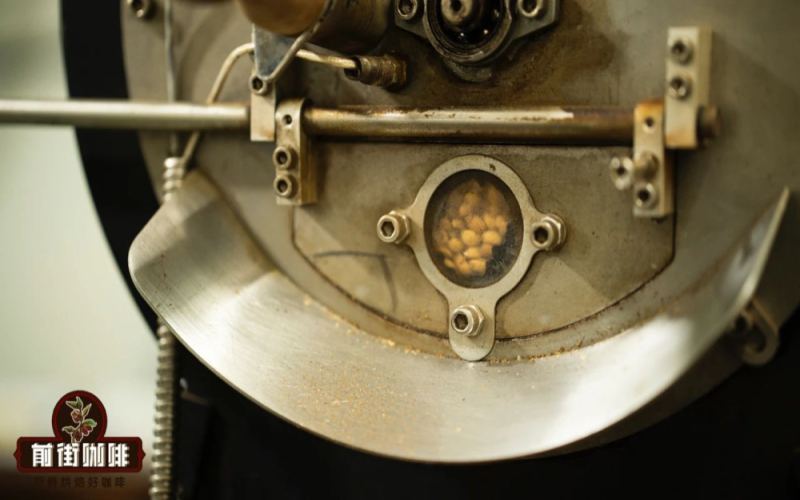
Physical evolution during coffee bean roasting: the entire process from color to porosity to oil migration
Coffee roasting is far more than just applying heat; it subjects green beans to a series of dramatic transformations on both the physical and chemical levels. As the first article in this series, this piece focuses on the physical changes during roasting: from the color shifting from blue-green to brown, to the moisture content plummeting from 10-12% to about 2.5%, to the cell walls going from rigid to rubbery, the beans expanding in volume, porosity increasing, and oils migrating to the surface. These structural changes do not occur in isolation; they provide the necessary preconditions for chemical processes such as the Maillard reaction and caramelization. Only by understanding the physical changes can one truly grasp the relationship between the roasting curve and the final flavor. [more…]
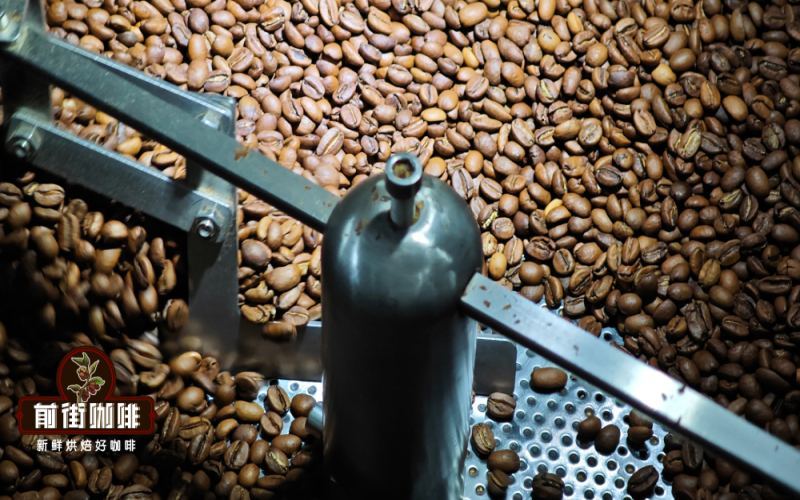
How Big Is the Difference Between Dark Roast and Medium Roast Coffee? A Detailed Look at the Chemical Changes in Roasting and Medium-Dark Roast Coffee Recommendations
Why can green coffee beans emit such captivating flavors after high-temperature roasting? The key lies in a series of chemical changes that occur during the roasting process. This article will provide an in-depth analysis of the impact of the Maillard reaction and caramelization reaction on coffee flavor, explain the practical differences between dark roasts and medium roasts, and introduce several Front Street Coffee beans with different roast levels along with their brewing parameters, helping coffee enthusiasts gain a more comprehensive understanding of the relationship between roast level and flavor. [more…]
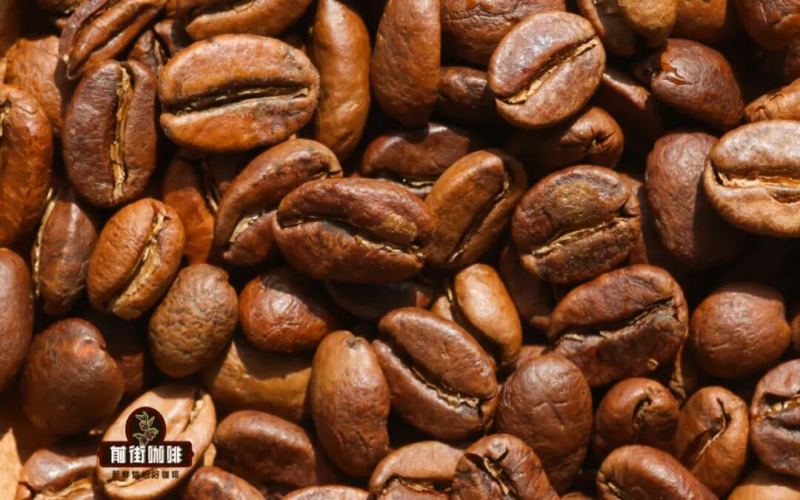
Espresso Making | Why do coffee shops need to dial in espresso every day when they open? How do changes in coffee bean condition affect the taste of espresso?
Honestly, Front Street Coffee believes that in a barista's daily work, there is nothing more painful than the morning ritual—dialing in espresso. If there's anything more painful than that, it must be dialing in espresso on a rainy day. Because if you're not careful, you'll end up full of espresso, drinking it until you're sick of it. Some friends find this very hard to understand; they think [more…]
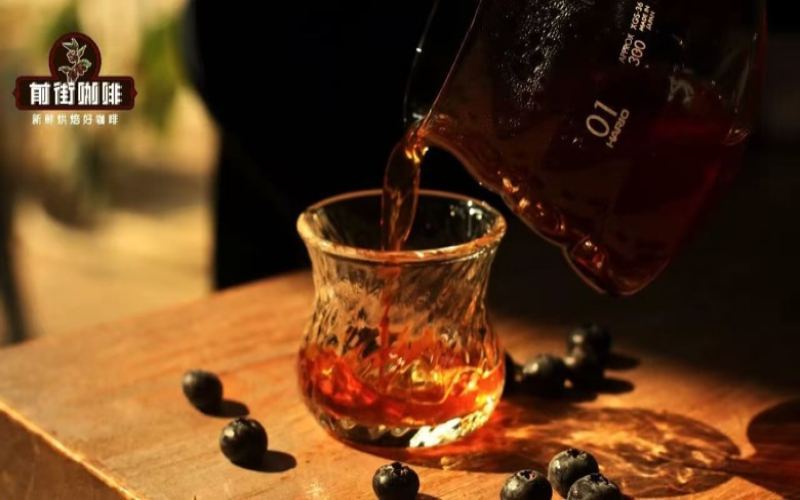
How to Choose Several Dark Roast Coffee Beans Suitable for Pour-Over: Cup Profile Changes Brought by Different Roast Levels
The roast level changes a coffee bean's flavor focus and extraction rhythm. Light roasts usually retain more floral and fruity aromas and bright acidity, medium roasts tend to present sweetness and balance, while dark roasts lean toward nutty, cocoa, and full-bodied flavors. None is superior to another; the key is whether it matches how you drink it. Dark roasting shifts the flavor toward cocoa, [more…]
Why does coffee taste more acidic after it cools? Causes of pour-over flavor changes and solutions for coffee that's too sour
Many coffee enthusiasts notice that certain coffees seem to become more sour after they cool down. But this is not a universal trait of all coffee—most coffees simply lose some aroma as they cool, without their flavor framework shifting dramatically, and some even reveal greater sweetness as the temperature drops. So why does the sourness of certain coffees rise noticeably after the temperature falls? Behind this lies both the way human perception changes with temperature and the flavor composition of the coffee itself. From the perspective of Front Street, this article sorts out how temperature affects the perception of sourness, sweetness, and bitterness, explains the principle behind the intensified sourness of light-roasted coffee after cooling, and offers directions for adjustment when coffee is too sour. [more…]

Origin Selection for Cold Brew: Flavor Changes Under Low-Temperature Extraction
The charm of cold brew lies in how low-temperature slow extraction reshapes flavor—the same beans can taste completely different when hot-brewed versus cold-brewed. Understanding how beans from different origins change under low-temperature extraction gives you a deeper basis for choosing beans for cold brew. Light-roasted beans from African origins show the most noticeable changes in cold brew. Beans with bright acidity when hot-brewed, in cold brew [more…]
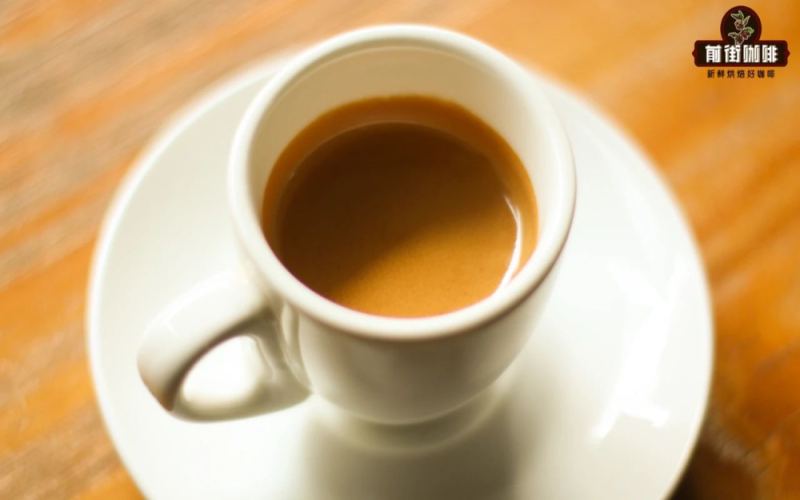
Why does espresso need daily calibration? Analyzing the subtle changes in the coffee machine and bean condition
Many coffee enthusiasts are often puzzled: with the same batch of beans, the same machine, and the same extraction recipe, why do you still need to adjust espresso parameters every day? The truth is that the internal parts of the espresso machine quietly wear down, the grinder burrs gradually change, and the coffee beans themselves are constantly degassing and losing flavor. These subtle changes all directly affect the espresso extraction result. This article starts from a daily dial-in case study of Front Street Classic Blend, analyzes the dynamic variables of the machine and the beans, and shares how to keep every shot of espresso at its ideal flavor and rich crema through fine-tuning the dose and ratio. [more…]
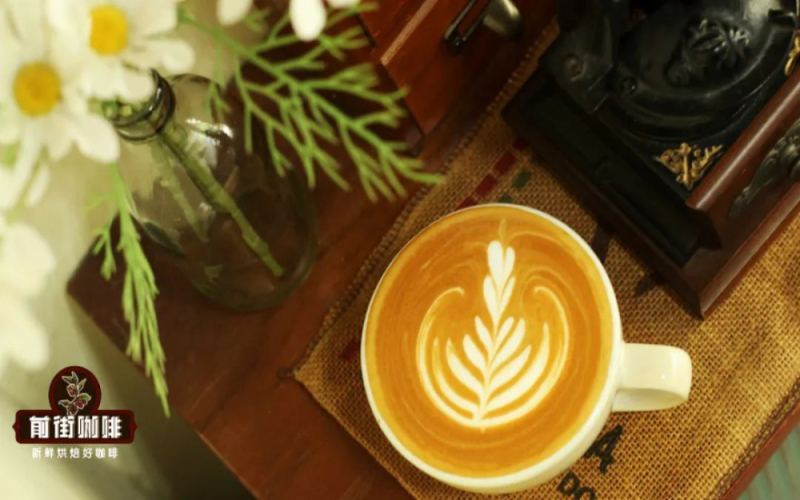
Is Hot Latte Bad When It Cools? A Full Analysis of the Correct Way to Reheat It and the Changes in Taste
A freshly made hot latte is rich in aroma and smooth in texture, but once it cools, the milk foam collapses and separates, the coffee turns bitter, and it may even take on a greasy mouthfeel. Faced with a cold latte, many people choose to reheat it and drink it again. So can a reheated latte still taste good? To what temperature should it be heated? Is a steam wand, an electric hot plate, or a microwave more suitable? Front Street compared the effects of different heating methods on latte flavor through actual testing and offered practical suggestions. This article will provide a complete analysis of how a hot latte's flavor changes after it cools, and how to reheat it so the coffee is easier to drink and less is wasted. [more…]
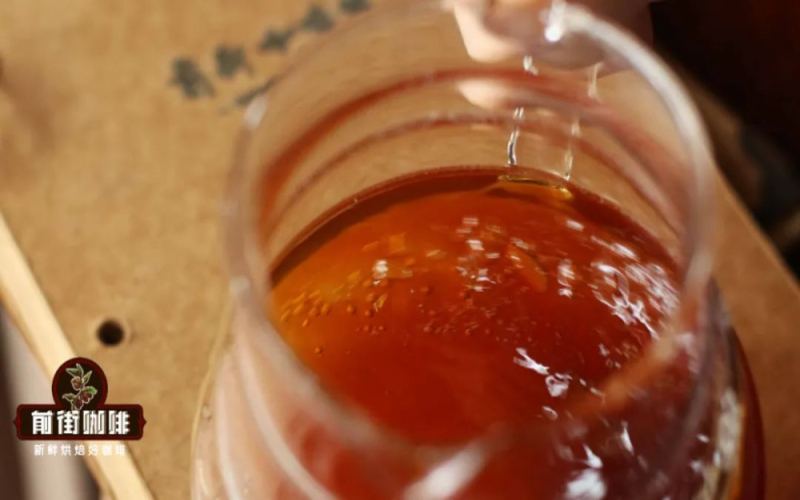
Can cooled coffee be reheated? Analyzing the impact of temperature drop on flavor and practical remedies
After a freshly brewed cup of coffee sits for a while, its aroma gradually dissipates, and its mouthfeel changes noticeably. Dark roasts become less smooth, medium-light roasts develop a more pronounced sourness and astringency, and a bitter, muddled finish may even appear. Why does cooling rob coffee of its appeal? If you reheat cold coffee or chill it with ice, can it regain its original flavor performance? This article analyzes the issue from two perspectives—chemical changes and sensory perception—and, through a comparative experiment between Front Street Coffee Kafa Forest and Front Street Coffee Yirgacheffe, explores practical remedies for cooled coffee. [more…]
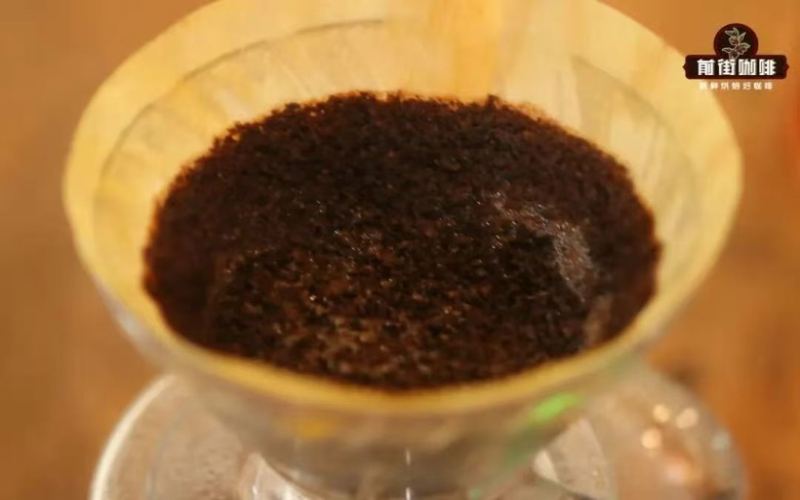
How to choose a few light-roast coffee beans suitable for pour-over: the changes in cup profile brought by different roast levels
The roast level changes the flavor focus and extraction rhythm of coffee beans. Light roasts usually retain more floral and fruity notes and bright acidity, medium roasts tend to present sweetness and balance, while dark roasts lean toward nutty, cocoa, and full-bodied flavors. There is no hierarchy among them; the key is whether they match your brewing method. Pour-over flavor is mainly determined by origin, va [more…]
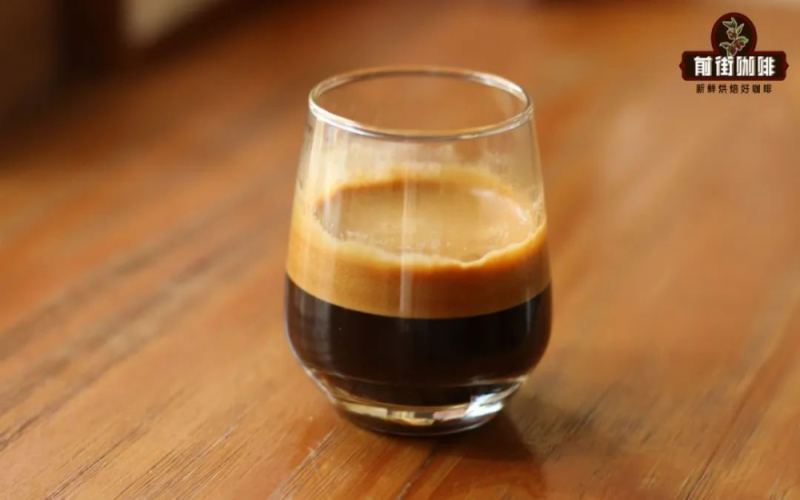
What Happens to Espresso Flavor When You Remove the Crema? An Analysis of Americano Taste Changes and Extraction Principles
Many coffee enthusiasts consider skimming off the crema from the surface of espresso when making an Americano, believing this yields a cleaner taste. So, does removing the crema really make an Americano taste better? What role does crema play in espresso? Is it a source of flavor, or the culprit behind bitterness? Starting from the composition of crema, its impact on flavor, and actual tasting experience, this article explores how the coffee's taste changes after skimming off the crema, and, drawing on the practical experience of Front Street Coffee, offers advice on whether it's worth removing the crema. [more…]
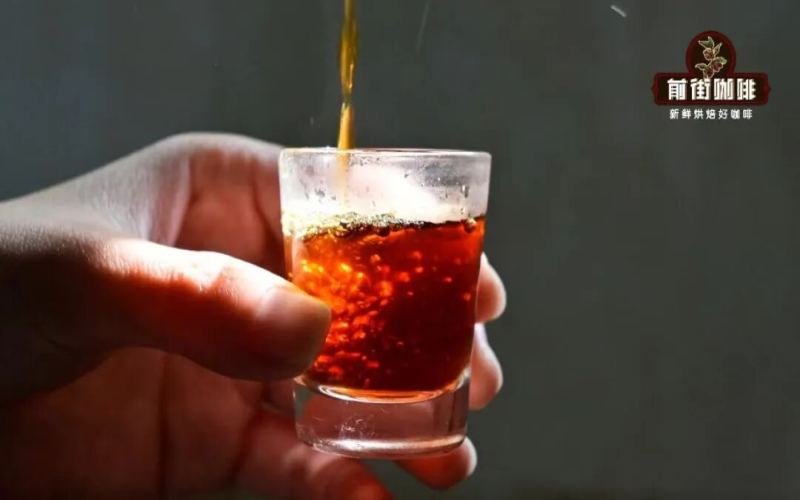
Coffee Tasting Time | How soon after brewing is it best to finish a pour-over coffee? What changes in the coffee flavor of a pour-over coffee the longer it sits?
The peak flavor period refers to the optimal window for tasting coffee beans after roasting is completed. During this time, because there is not too much carbon dioxide interference, and the coffee's flavor compounds have not yet been lost in large amounts, we can brew coffee with the richest aroma and obtain the most complete flavor experience. But did you know, [more…]
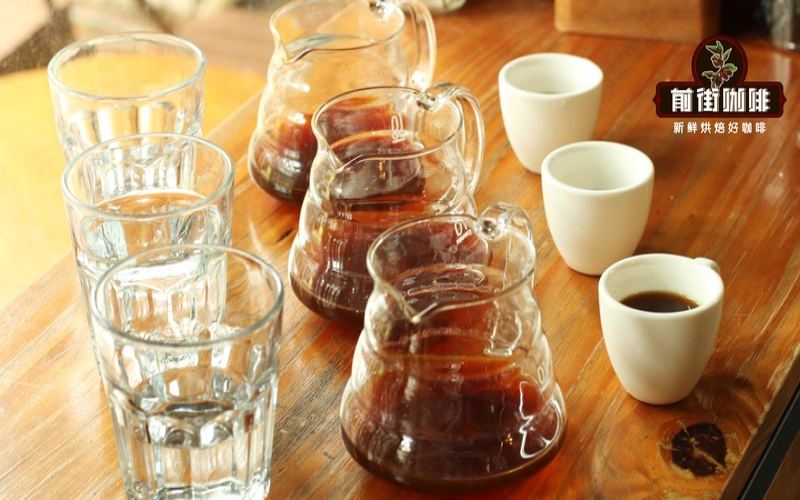
Light-roast pour-over beans: how the flavor changes from opening the bag to the last sip
The charm of light-roast coffee beans often unfolds between floral notes, fruity acidity, and a tea-like quality, but it is not a state you reach the moment you open the bag. After roasting, the beans continue to release carbon dioxide, and their aroma, acidity, and sweetness also shift over time. When buying beans, in addition to looking at the flavor description, you should also pay attention to the roast date and allow for a suitable resting period. [more…]
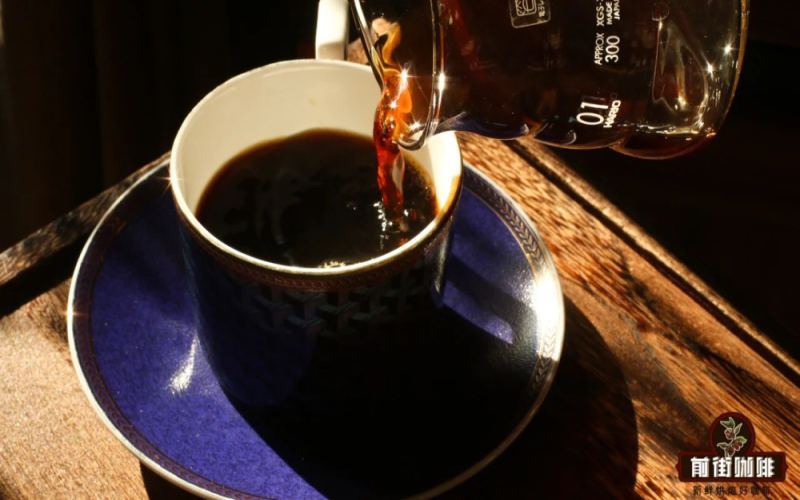
How Temperature Shapes Coffee Flavor: Sensory Changes and Tasting Techniques from Hot to Cool
After a cup of hot coffee sits for a while, its flavor and aroma often undergo noticeable changes, even revealing sweetness, fruity notes, or floral notes that were hard to detect right after brewing. This change is not an illusion, but the result of specific chemical reactions and physical volatilization triggered by temperature fluctuations. Coffee contains over a thousand aroma compounds, of which about forty are the more commonly occurring prominent aromas, and they are released and perceived differently at different temperatures. Front Street Coffee believes that understanding the effect of temperature on coffee not only helps you find the most suitable drinking window for each bean, but also allows you to more accurately identify the balance between acidity, sweetness, bitterness, and aroma. This article will systematically sort out the flavor evolution patterns from 82°C to below room temperature, and provide actionable tasting suggestions. [more…]
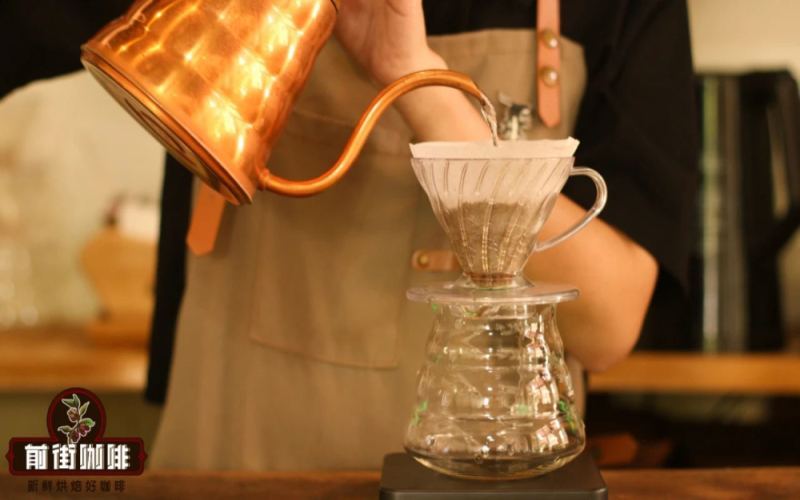
From Green Beans to Roasted Beans: A Detailed Guide to Coffee Roast Levels, Flavor Changes, and Agtron Roast Percentage Interpretation
Turning green coffee beans into roasted beans relies entirely on roasting. For the same batch of beans, different roast levels lead to completely different acidity, bitterness, sweetness, body, and aroma profiles. Today, Front Street Coffee systematically breaks down the core knowledge of coffee roasting: what happens during the dehydration phase, the yellowing phase, and the flavor development phase; how to judge the drop time based on first crack and second crack; and which origins and brewing methods suit light, medium, and dark roasts. We'll also explain why the color of the bean surface can be misleading, and how to interpret Agtron values and Roaster %. At the end, we've included Front Street's recommendations for resting and grinding, to help you get the best flavor once you have the beans in hand. [more…]
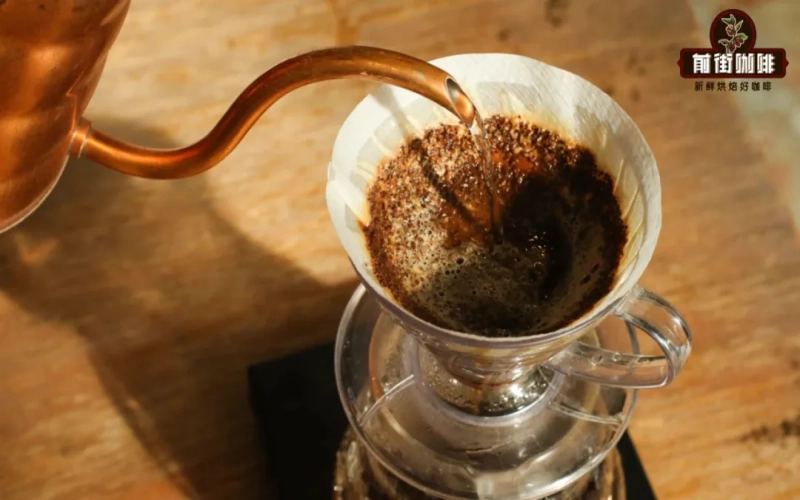
A Complete Analysis of the Optimal Drinking Time for Pour-Over Coffee and How Temperature Changes Affect Flavor
A freshly ground and brewed cup of coffee, like the coffee beans themselves, has its own optimal tasting window. Coffee aromas volatilize easily, and temperature constantly affects how the taste buds perceive sweetness, acidity, and bitterness. Therefore, from the moment it is brewed, the flavor continuously changes with time and temperature. Front Street Coffee compares the tasting performance of dark-roasted Golden Mandheling and light-roasted Gedinding at different time points, documenting the evolution of aroma, mouthfeel, and taste, to find the limit of coffee's tasting window under normal standing conditions. It will also answer common questions such as whether reheating can restore the flavor, and how to extend aroma retention with a lid or thermos, helping you seize the most brilliant drinking window of every cup of coffee. [more…]
What tea is Juduozai? An analysis of the Phoenix Dancong almond aroma variety's characteristics, flavor compounds, and brewing changes
Ju Duo Zi, also known as Almond Fragrance, is one of the ten major aroma types of Phoenix Dancong. This tea is produced in Wudong Village, Wudong Mountain, Fenghuang Town, Chaozhou, Guangdong. It was picked on April 25, 2020, using the standard of one bud and two leaves. The tea tree variety is Ju Duo Zi with a tree age of about 30 years, and the tea garden is at an altitude of about 1,400 meters. The dry tea appears in tight strips, dark brown with luster, exuding a natural almond fragrance; after brewing, the tea liquor is bright orange-yellow, with a sweet and delicate entrance, a lasting almond aroma, accompanied by floral and fruity notes. The caffeine content is moderate, less than 20% of a cup of coffee. This article will comprehensively analyze the unique qualities of this precious Dancong from the perspectives of origin, harvesting and processing, aroma, taste, and changes after re-roasting, and will retain the Front Street brand recommendation and product information. [more…]
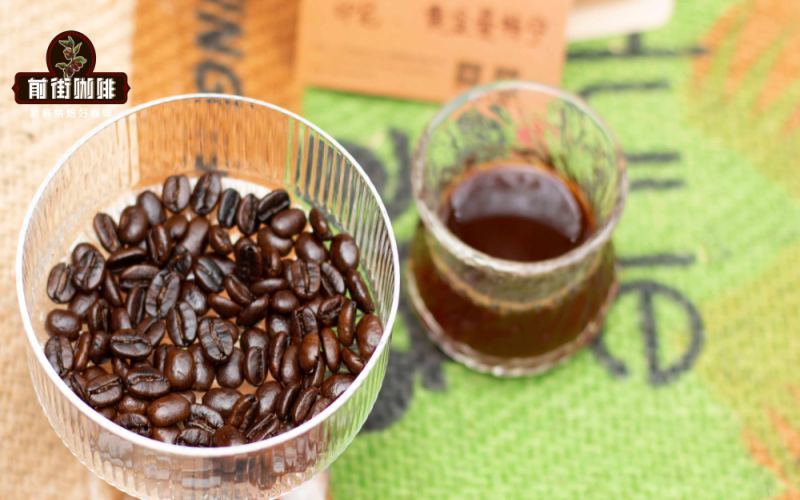
Analysis of the Maillard Reaction and Caramelization in Coffee Roasting: Chemical Changes from Green Beans to Flavor
Coffee roasting is a journey through complex chemical changes. In this process, the Maillard reaction and caramelization play crucial roles. The Maillard reaction, proposed by French chemist L.C. Maillard, is a series of non-enzymatic browning reactions between reducing sugars and proteins or amino acids under thermal catalysis, bringing flavor, mouthfeel, color, and complexity to coffee. Caramelization occurs during first crack, when sugars are heated and dehydrated to produce caramel and volatile aldehydes and ketones, deepening the bean color and creating aromas of fruit, caramel, and roasted nuts. Roasting reduces the density of coffee beans, making them drier and more brittle, increasing permeability, and making the components easier to dissolve. This article provides a detailed analysis of the three stages of roasting and the profound effects of each reaction on coffee, and recommends representative coffee beans such as Front Street Queen's Estate, Front Street Blue Mountain No. 1, and Front Street PWN Golden Mandheling. [more…]
Yirgacheffe Starter Bean: Flavor Changes After Opening the Bag and Drinking Rhythm
When buying Yirgacheffe beans, the roast date is often more worth checking first than the flavor words on the packaging. Freshly roasted beans still contain a lot of carbon dioxide inside, so the water flow and aroma during brewing may not be stable enough; after resting for a few days, the floral notes, fruit acidity, and sweetness will gradually become clearer. For beginners, choosing fresh beans is only the starting point, [more…]
How Long Can Coffee Beans Retain Their Flavor After Being Ground into Powder? An Analysis of Aroma Changes and Preservation Methods in an Unsealed State
Once coffee beans are ground into powder, their intact structure is destroyed, the surface area increases nearly a thousandfold, and the rate at which flavor compounds are lost accelerates dramatically. Even with proper storage, the shelf life of ground coffee falls far short of that of whole beans—usually less than half. Front Street Coffee has previously shared content on how long ground coffee can be kept under sealed conditions, and afterward a reader raised a question in the comments: if ground coffee is not sealed, how will its aroma change over a short period? To answer this question, Front Street Coffee decided to conduct an experiment to observe the differences between coffees brewed from grounds produced at different times—in other words, to investigate how long coffee beans, once ground, can actually be kept without sealing. [more…]